
This is a technology age – and it is constantly helping industries deliver more innovations for their customers and the auto industry is no different. Driven by new age technologies, the automotive industry is constantly changing and at the same time, bringing us new technologies, whether it be for safety, entertainment, usefulness or simply for pure innovation.
Many new car technologies are either specifically built for safety or at least have some sort of safety focus to them. Some of the latest car innovations we’ve found are some truly exciting technologies that could revolutionize not just the automotive industry but human transportation in general and ซูซูกิมอเตอร์ is bringing a lot of innovation for the auto industry.
Self-driving Cars
Self-driving cars are no more a part of fiction stories –there are a lot of OEMs that are putting a lot of efforts towards enabling this concept to work today.
A truly self-driving car drives on its own without any manual intervention and today we have software, hardware and network capabilities that can deliver seamless connectivity without any lag. And hence, self-driving cars are a reality today.
Global technology company – Google’s engineers have already tested self-driving cars over a distance of more than 200,000 miles of public highways and roads. And what’s more is that, Google’s cars not only record images of the road, but they also records computerized maps, view road signs, find alternative routes and see traffic lights before they’re even visible to a person.
With the help of using lasers, radars and cameras, these cars can analyze and process data, information about their surroundings much faster than a human possibly can.
Augmented Reality Dashboards
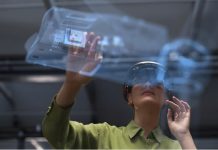
Augmented Reality dashboards, AR for short, will function in a similar way just as a GPS and other in-car displays work for drivers. Global car manufacturer BMW has already implemented a windshield display in some of their vehicles which displays basic information. The company is also in the process of developing AR dashboards that can identify objects in front a vehicle and inform the driver how far they are away from the object.
AR technology is also being researched for passenger usage as well. Toyota has taken a lead in this space. It has a working concept of AR system that would allow passengers to zoom in on objects outside of the car, select and identify objects, as well as view the distance of an object from the car with the help of a touch-screen window.
Moving forward, we are likely to see a lot of AR play in future-ready cars.
Energy-storing Body Panels
As energy is one of the biggest points of concern for the auto industry, auto manufacturers are always on the lookout for innovative ways to utilize alternative use of energy capabilities. Working in this direction, OEMs are currently researching and testing body panels that can store energy and charge faster than conventional batteries of today.
Exxon Mobil predicts that by the end of year 2040, half of all new cars coming off the production line will be hybrid cars. This I wonderful news for the environment, but there is a big issue. As Hybrid cars need bigger and better batteries, it takes up a lot of space and are very heavy. Even with advances in lithium-ion batteries, hybrids have a significant amount of weight from their batteries.
In Europe auto manufacturers are researching and testing body panels that can store energy and charge faster than conventional batteries of today. These body panels could reduce a car’s weight by up to 15 percent and can become quite critically important for the future success of Hybrid cars.