
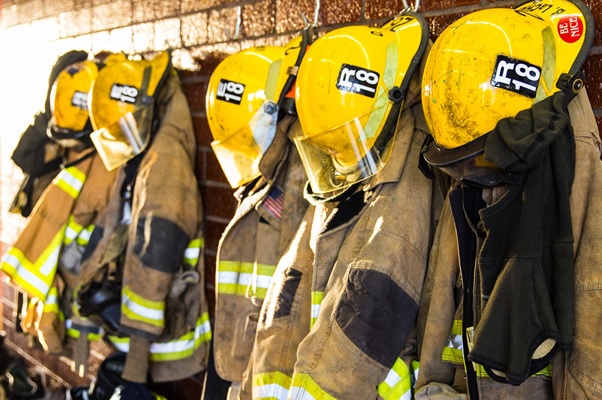
When firefighters march into a building to extinguish a fire with their protective gear on, it paints a brave picture. And while they emerge victorious in tackling the fire and rescuing people around them, they end up putting their lives in danger. The firefighting foam that they use, which is known to create several health hazards, causes several adverse effects.
Firefighting foam is the focal point of the fire protection industry. This foam is a highly effective fire suppression tool that helps to reduce the effects of fatal fires, which include flammable liquid fires. Unfortunately, the leading firefighting foam, AFFF (aqueous film-forming foam), contains PFAS (Per- and polyfluoroalkyl substances), which, according to the Environmental Protection Agency, is considered dangerous (and potentially carcinogenic).
Over the years, AFFF has caused cancers of all kinds. And according to recent findings, AFFF exposure also hurts the human immune system. In this article, we will delve into these aspects and also discuss how to file a legal complaint to compensate for the losses.
Can AFFF Affect the Human Immune System?
Many people have reasons to file a firefighter foam lawsuit because they developed cancer and other health hazards. Since the number of these lawsuits against the manufacturers is going up, new studies are being done to understand how AFFF affects the human body. Recent studies have found that this toxic foam can hurt the immune system, thereby making the body vulnerable to several diseases.
PFAS was included in safety devices and firefighting foam for many decades because it can resist water, heat, and grease. However, the chemicals can build up in the environment and the human body and result in severe health risks. This staying power has earned it the name “forever chemicals”.
In February 2023, AboutLawsuits.com reported on an insightful study that was published in the ‘Journal of Immunotoxicology’. In this study, researchers indicate that PFAS exposure curbs the body’s capacity to direct white blood cells to combat the invading organisms. As a result, it can make the human immune system less responsive to invaders.
The findings from the study can further offer compelling proof to establish why AFFF can cause cancer. It has an essential role to play in the pending AFFF lawsuits by people who have developed testicular, bladder, pancreatic, and kidney cancer and faced other injuries.
Nearly hundreds of former firefighters today claim that chemical manufacturers such as DuPont and 3M Company were aware of these hazards and risks for cancer. Despite that, they concealed this data and failed to warn firefighters for decades.
The researchers involved in the study focused on the impact of PFAS exposure on zebrafish larvae and cultured human cells. They found that this toxic chemical exposure, which includes a specific compound called GenX, can suppress the immune system’s response. It is called a neutrophil respiratory burst.
Simply put, neutrophils are a type of white blood cell that is an essential aspect of the immune system and attacks all invading pathogens. Additionally, the neutrophil respiratory burst is said to be the human body’s initial defense line for combatting foreign organisms.
Hence, the GenX PFAS chemicals were designed to replace the toxic and older compounds. Yet it carried a potent link with neutrophil respiratory burst suppression. According to the researchers, this study is one of its kind and highlights the way PFAS chemicals successfully inhibit the respiratory burst. Furthermore, the current findings confirm that xenobiotics can inhibit the respiratory burst.
Taking a Legal Recourse
The U.S. Judicial Panel on Multidistrict Litigation released a docket report this year on the firefighting foam lawsuit update. Currently, there are over 3,700 lawsuits that are added to the MDL (multi-district litigation). That aside, the lawsuits concerning PFAS cancer risk include complaints from local water suppliers about the expenses of eliminating PFAS chemicals from water systems.
Therefore, TorHoerman Law states that anyone affected by AFFF exposure should file a legal complaint by connecting with an expert lawyer. It can include firefighters or any other person who suffered from any fatal cancer, liver damage, disrupted hormones, or negative immune system functioning.
Victims should collect the medical records and other documents and present them as evidence to their respective lawyers. It will help them come up with a compelling case that secures compensation to cover their medical costs, lost earning capacity, lost wages, and other pain and suffering.
Conclusion
The noble profession of firefighters is laden with risks of many kinds. Other than physical injuries, firefighters are at risk of developing cancer and other fatal diseases like leukemia and liver damage due to prolonged exposure to firefighting foam. Hence, firefighters must limit its use or use only when necessary to ensure their safety.
Over the years, AFFF foam has been used to suppress liquid fires. While it effectively accomplishes its target, it has hurt the lives of firefighters. While there is always a need for safe alternatives, it is also essential to address existing losses. Hence, firefighters affected by AFFF exposure should seek both medical and legal aid to cover the damages they have suffered.