

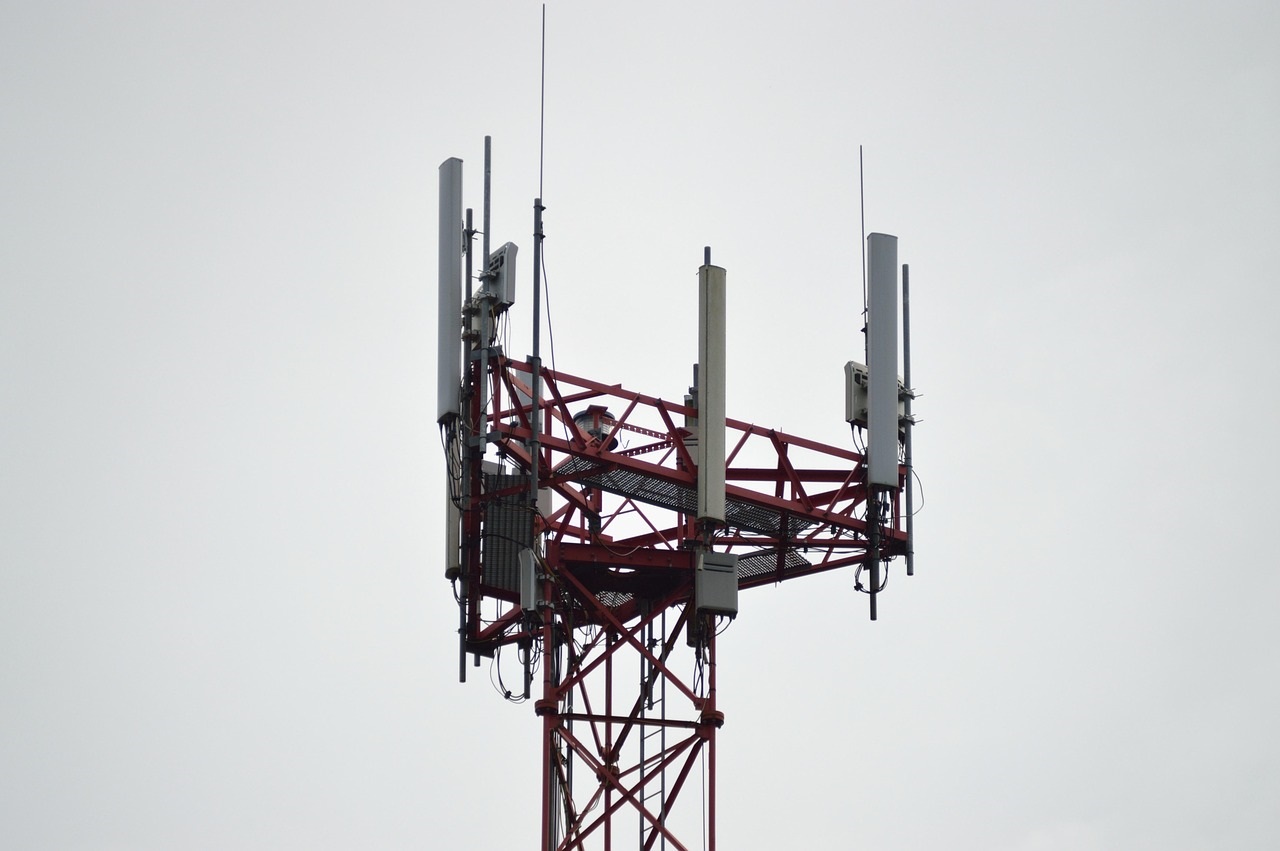
India’s telecom expansion into rural and remote areas has long been hostage to a single, costly dependency: diesel. With grid electricity unreliable or absent in vast swathes of the country, operators have burned billions of litres of fuel to keep towers alive, driving up costs and carbon emissions alike.
Solar power offers a way out—and the scale of its deployment is no longer experimental. It is becoming the backbone of India’s remote connectivity strategy.
Where Solar Is Already Working
The most visible deployment is the government’s BSNL 4G rollout. In September 2025, Prime Minister Narendra Modi commissioned over 97,500 4G mobile towers, a large share of them solar-powered, across states including Odisha, Andhra Pradesh, Uttar Pradesh, Maharashtra, Rajasthan, Assam, Gujarat, and Bihar.
These towers, built at a cost of roughly ₹37,000 crore, connect more than 26,700 previously unconnected villages—many in remote, border, and left-wing extremism-affected regions. Officials described the rollout as India’s largest cluster of solar-powered green telecom sites.

Private operators are moving in parallel. Bharti Airtel has solarised nearly 27,000 network points over the past two years, with solar access extended to 42,000 sites by the end of FY26. The company has stated that eliminating diesel entirely from operations is a top priority, working with Indus Towers to transition to high-powered batteries and renewable energy.
Earlier figures showed Airtel had solarised over 30,708 sites and cut diesel consumption by more than two million litres per month, despite adding over 75,000 network sites in two years.
The Challenges That Remain
The barriers to faster solar adoption are practical and financial rather than technological. Land and space allocation is a persistent hurdle: tower companies report difficulty securing land for solar panels at reasonable rates, with high urban rentals, delayed permissions, and local governance issues discouraging investment.
At remote sites, space constraints, shading from vegetation, battery storage limitations, and security concerns—including theft and vandalism—add layers of complexity and operational cost.
The economics of diesel remain a perverse disincentive. Several states still face daily power outages of four to six hours, forcing reliance on diesel generators. Rising fuel prices increase operating expenses, but the upfront capital expenditure for solar-plus-storage systems, combined with longer payback periods and higher maintenance needs in dusty or remote environments, can make the transition harder to justify on pure ROI.
Billing irregularities compound the problem: tower companies have reported receiving initial electricity bills late and then being charged penalties and surcharges, straining finances.
The Opportunity: Cost, Resilience, and ESG
The case for solar is strengthening on multiple fronts. Diesel at a remote tower costs far more than its per-litre price once logistics, supply risk, and the penalty for network downtime are factored in.
Solar-plus-storage removes much of that dependency: battery systems have no moving parts, require no manual restart, and are insulated from fuel supply chain disruptions. Hybrid configurations with solar and battery doing the heavy lifting, and diesel relegated to a genuine last resort, are already showing significant drops in consumption at well-designed installations.
The financial case is also improving. A study of hybrid solar-powered base transceiver stations in India, using a five-year project lifecycle and a 10% discount rate, evaluated metrics including net present value, internal rate of return, payback period, and benefit-cost ratio—finding that green energy upgrades can yield high long-term returns through avoided diesel purchases and grid tariff savings.
Development finance is beginning to align: IDB Invest and Proparco anchored a US$100 million bond issuance by Millicom in Colombian pesos for 4G, 4.5G, and 5G upgrades including rural access, signalling that multilateral lenders see telecom energy transition as bankable.
Beyond cost, solar supports India’s climate and self-reliance goals. Replacing diesel at cell towers could prevent over five million tons of CO2 annually at current tower counts. For operators, solar deployment is increasingly framed as an ESG priority that also improves operational resilience.
The Road Ahead
The next phase depends on three shifts. First, policy support must move from ambition to implementation: concessional land rates for solar installations, streamlined permissions, and predictable billing would remove friction that currently slows adoption.
Second, technology integration—AI-enabled energy monitoring, IoT sensors, and predictive maintenance—can make remote solar sites more reliable and cheaper to operate, moving from reactive repairs to preventive intervention.
Third, the BSNL rollout’s scale creates a template: a government-backed, solar-powered network reaching the hardest-to-connect villages demonstrates viability at national scale, which private operators can replicate where the commercial case is thinner.
Solar will not eliminate diesel overnight. But for India’s remote towers, the question has shifted from whether solar can work to how quickly the policy, financing, and operational ecosystems can catch up with the technology. The towers already standing in Odisha’s hinterland and Rajasthan’s desert are proof that the answer is no longer theoretical.
Picture Courtesy: Pixabay.com
